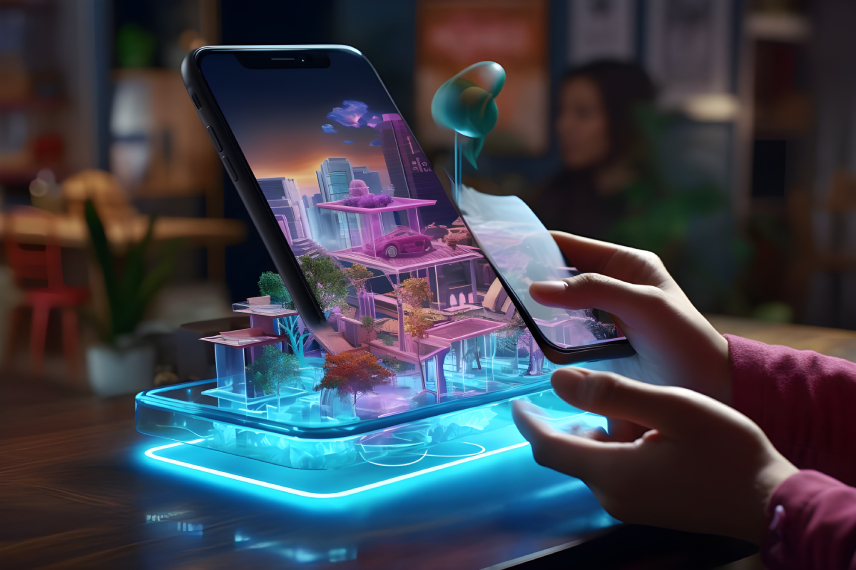
Mobile app development continues to evolve at an extraordinary pace. Emerging technologies, changing user expectations, and rapid digital transformation are reshaping how businesses build and deploy mobile applications.
In 2026 and beyond, mobile apps will become smarter, faster, more personalized, and deeply integrated into everyday life. Companies that stay ahead of these trends will gain a significant competitive advantage and deliver better user experiences.
In this article, we'll explore the most important mobile app development trends that are expected to shape the future of the industry.
Why Mobile App Development is Evolving Rapidly
Several factors are driving innovation in mobile application development:
- Advancements in Artificial Intelligence
- Global Expansion of 5G Networks
- Growth of IoT Devices
- Increasing Demand for Digital Services
- Improved Mobile Hardware
- Changing Consumer Expectations
Businesses must continuously adapt to these technological shifts to remain competitive.
1. Artificial Intelligence (AI) Integration
Artificial Intelligence is transforming mobile applications by enabling smarter and more personalized experiences.
AI-Powered Features:
- Smart Chatbots
- Virtual Assistants
- Personalized Recommendations
- Predictive Analytics
- Voice Recognition
- Image Recognition
2. Generative AI in Mobile Apps
Generative AI is becoming a major trend in app development. Mobile apps can now create content, generate images, write text, and provide intelligent responses in real time.
Use Cases:
- AI Content Creation
- Customer Support Automation
- Personalized Shopping Assistance
- Business Productivity Tools
- Educational Applications
3. 5G-Powered Mobile Applications
The widespread adoption of 5G technology enables significantly faster data transmission and lower latency.
Benefits of 5G:
- Faster App Performance
- Real-Time Communication
- Improved Video Streaming
- Enhanced Gaming Experiences
- Better Cloud Connectivity
4. Internet of Things (IoT) Integration
Mobile applications are becoming central control hubs for connected devices.
Popular IoT Applications:
- Smart Homes
- Connected Vehicles
- Healthcare Monitoring
- Industrial Automation
- Smart Retail Solutions
5. Super Apps
Super Apps combine multiple services within a single application, reducing the need for users to install multiple apps.
Common Features:
- Payments
- E-Commerce
- Messaging
- Food Delivery
- Travel Booking
- Financial Services
6. Augmented Reality (AR) and Virtual Reality (VR)
AR and VR technologies are transforming how users interact with digital content.
AR/VR Applications:
- Virtual Shopping Experiences
- Real Estate Property Tours
- Gaming Applications
- Healthcare Training
- Educational Platforms
7. Wearable App Development
Wearable devices continue to gain popularity, creating new opportunities for mobile app developers.
Popular Wearables:
- Smart Watches
- Fitness Trackers
- Health Monitoring Devices
- Smart Glasses
8. Cross-Platform Development Continues to Dominate
Cross-platform frameworks are becoming the preferred choice for many businesses due to cost efficiency and faster development.
Leading Frameworks:
- Flutter
- React Native
- .NET MAUI
Benefits:
- Single Codebase
- Reduced Development Cost
- Faster Deployment
- Simplified Maintenance
9. Low-Code and No-Code Development
Low-code platforms allow businesses to build applications faster with minimal coding requirements.
Advantages:
- Rapid Development
- Lower Costs
- Faster Prototyping
- Improved Business Agility
10. Enhanced Mobile App Security
As cyber threats continue to evolve, security will remain a top priority.
Emerging Security Trends:
- Biometric Authentication
- Zero Trust Security Models
- Multi-Factor Authentication
- End-to-End Encryption
- AI-Based Threat Detection
11. Voice Search and Voice Interfaces
Voice-enabled interactions are becoming increasingly popular thanks to advances in AI and natural language processing.
Benefits:
- Hands-Free Usage
- Improved Accessibility
- Faster Navigation
- Better User Experience
12. Blockchain-Powered Mobile Apps
Blockchain technology is creating new opportunities for secure and transparent mobile applications.
Use Cases:
- Digital Payments
- Supply Chain Tracking
- Identity Verification
- Smart Contracts
- Secure Transactions
13. Hyper-Personalization
Future mobile applications will provide highly personalized experiences based on user behavior, preferences, and real-time interactions.
Examples:
- Personalized Product Recommendations
- Customized Content Feeds
- Location-Based Services
- Behavioral Notifications
Industries That Will Benefit Most
| Industry | Emerging App Trends |
|---|---|
| E-Commerce | AI Recommendations, AR Shopping |
| Healthcare | Remote Monitoring, Wearables |
| Real Estate | Virtual Tours, AR Visualization |
| Education | AI Learning Assistants |
| Finance | Blockchain, AI Security |
| Logistics | IoT Tracking, Predictive Analytics |
How Businesses Should Prepare
- Invest in Scalable Technology
- Adopt AI and Automation
- Prioritize Security
- Focus on User Experience
- Embrace Cross-Platform Development
- Monitor Emerging Trends Regularly
Frequently Asked Questions
What is the biggest trend in mobile app development?
Artificial Intelligence and Generative AI are currently among the most influential trends shaping the future of mobile applications.
Will Flutter continue to grow?
Yes. Flutter remains one of the most popular frameworks because it offers excellent performance, rapid development, and cross-platform compatibility.
How will 5G impact mobile apps?
5G enables faster performance, lower latency, improved streaming, and more advanced real-time mobile experiences.
Are AR and VR important for businesses?
Many industries including retail, healthcare, education, and real estate are already using AR and VR to improve customer engagement and user experiences.
Conclusion
The future of mobile app development is being shaped by AI, 5G, IoT, AR/VR, wearable technology, enhanced security, and increasingly personalized user experiences.
Businesses that embrace these innovations early will be better positioned to attract customers, improve efficiency, and remain competitive in an increasingly digital world.
As technology continues to evolve, mobile applications will become more intelligent, connected, and essential to everyday life, creating exciting opportunities for businesses and developers alike.
Ready to build a future-ready mobile app?
Consult with our tech strategists to integrate emerging trends and premium UX/UI features into your custom app solution.